The AI LAB team at OPI PIB has released Polish ModernBERT, a family of language models designed to analyse short texts and extensive documents in Polish. The models are available to the public on the Hugging Face platform, and detailed information pertaining to their architecture, training, and evaluation results is presented in a related research paper.
News
Events and interesting facts from the life of the Institute
All: 113
EuroDense – one model, nine languages
The AI Lab at the National Information Processing Institute (OPI PIB) has developed and released EuroDense, a model designed for information retrieval in nine major European languages. It is the first multilingual solution of this kind developed by the OPI PIB research team. The model was designed for modern search engines, Retrieval-Augmented Generation (RAG) systems, chatbots, and AI assistants that require efficient retrieval of information from large document sets.
Paper submission for MIDI 2026 is now open
Paper submission is now open for the annual MIDI – Machine Intelligence and Digital Interaction conference. Articles will be accepted until 8 October 2026.
OPI PIB’s PolDense 1B model tops the Polish Information Retrieval Benchmark
The AI Lab at the National Information Processing Institute (OPI PIB) has developed PolDense, a new family of language models designed specifically for information retrieval. The model is the latest addition to an OPI PIB’s portfolio of advanced AI solutions tailored to the Polish language and the needs of domestic users and institutions.
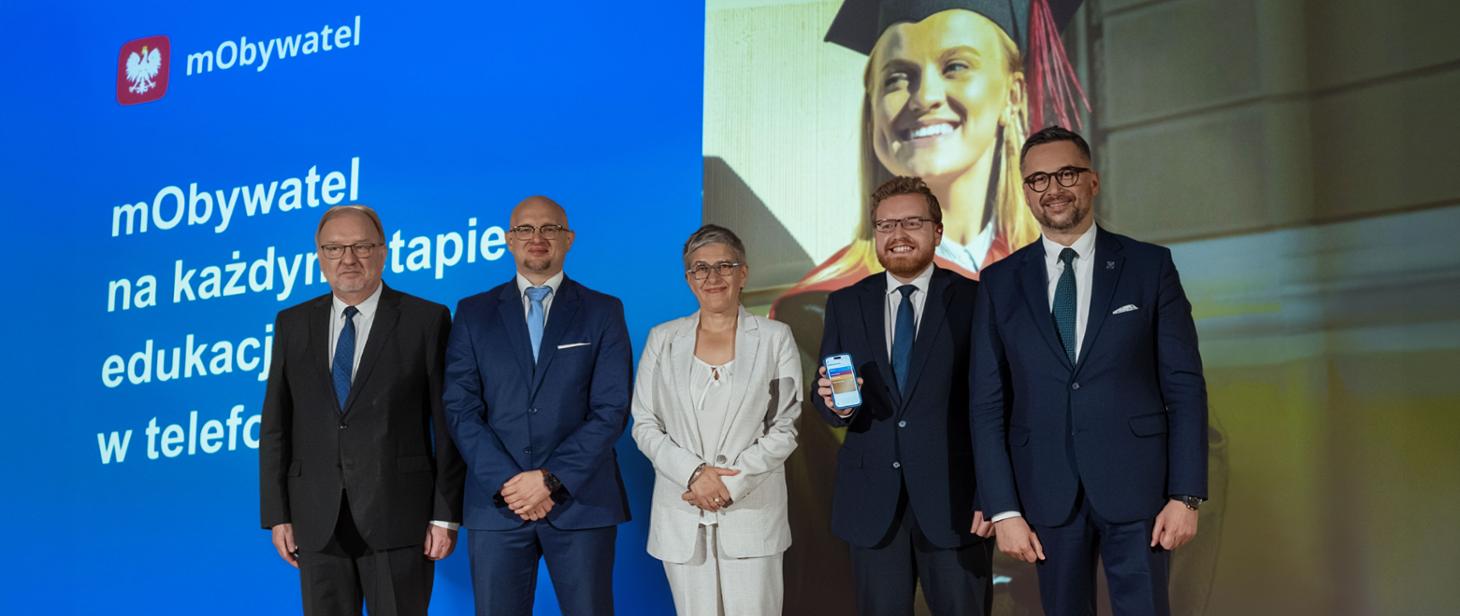
Digital diplomas now available in mObywatel: A new solution for HEIs and graduates
On 30 June 2026, government officials and academia representatives gathered at a conference to celebrate the introduction of electronic diplomas in the mObywatel application. This achievement marked to the digital transformation of higher education in Poland. During the conference, Marek Michajłowicz, Deputy Head of OPI PIB, outlined the key benefits of digital diplomas for graduates, higher education institutions (HEIs) and employers.
GENDERACTIONplus2027: OPI PIB continues its involvement in the EU project for gender equality in research and innovation
The GENDERACTIONplus2027 project launched officially on 1 June 2026 as an international initiative funded under the Horizon Europe programme and designed to strengthen gender equality and develop coherent policies within the European Research Area (ERA).
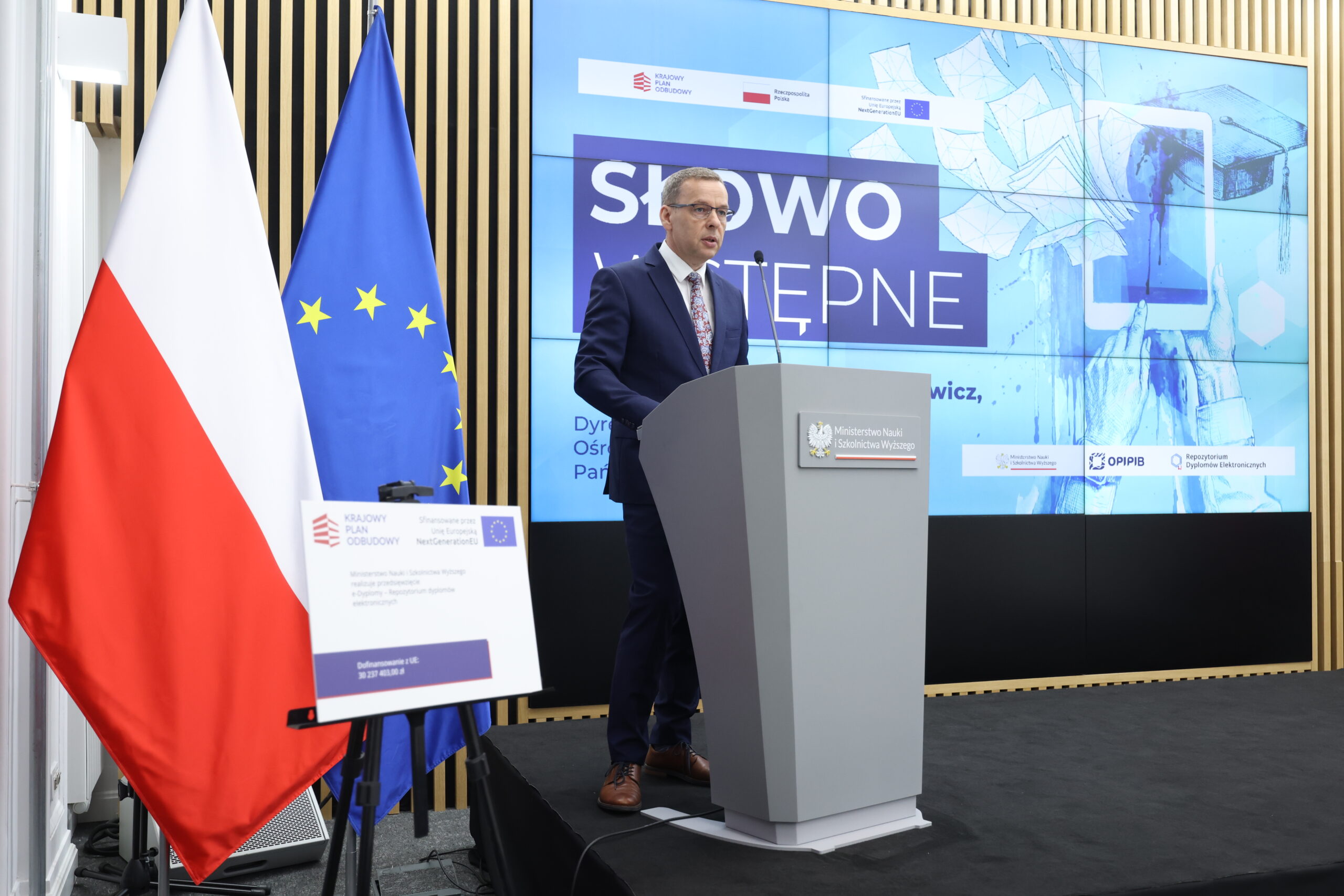
From paper to application: a closing conference for the e‑Diplomas project
Held on 19 June 2026 at the Polish Ministry of Science and Higher Education, the ‘From Paper to Application’ conference marked the conclusion of the ‘eDiplomas: the Polish National Repository of Electronic Diplomas’ project. The event gathered representatives from higher education institutions (HEIs), public administration, and partner organisations—key contributors to the digital transformation of higher education in Poland.
Dropout at higher education institutions in Poland – take part in our qualitative study
The National Information Processing Institute (OPI PIB) is launching the next stage of the nationwide ‘Dropout at higher education institutions in Poland’ study. The project is conducted on behalf of the Polish Ministry of Science and Higher Education (MNiSW). It seeks to provide an in-depth understanding of the scale and underlying causes of early dropout in Poland and to analyse educational and professional circumstances of those who discontinued their studies. The study also considers the experiences of international students and the changes in this area in recent years.
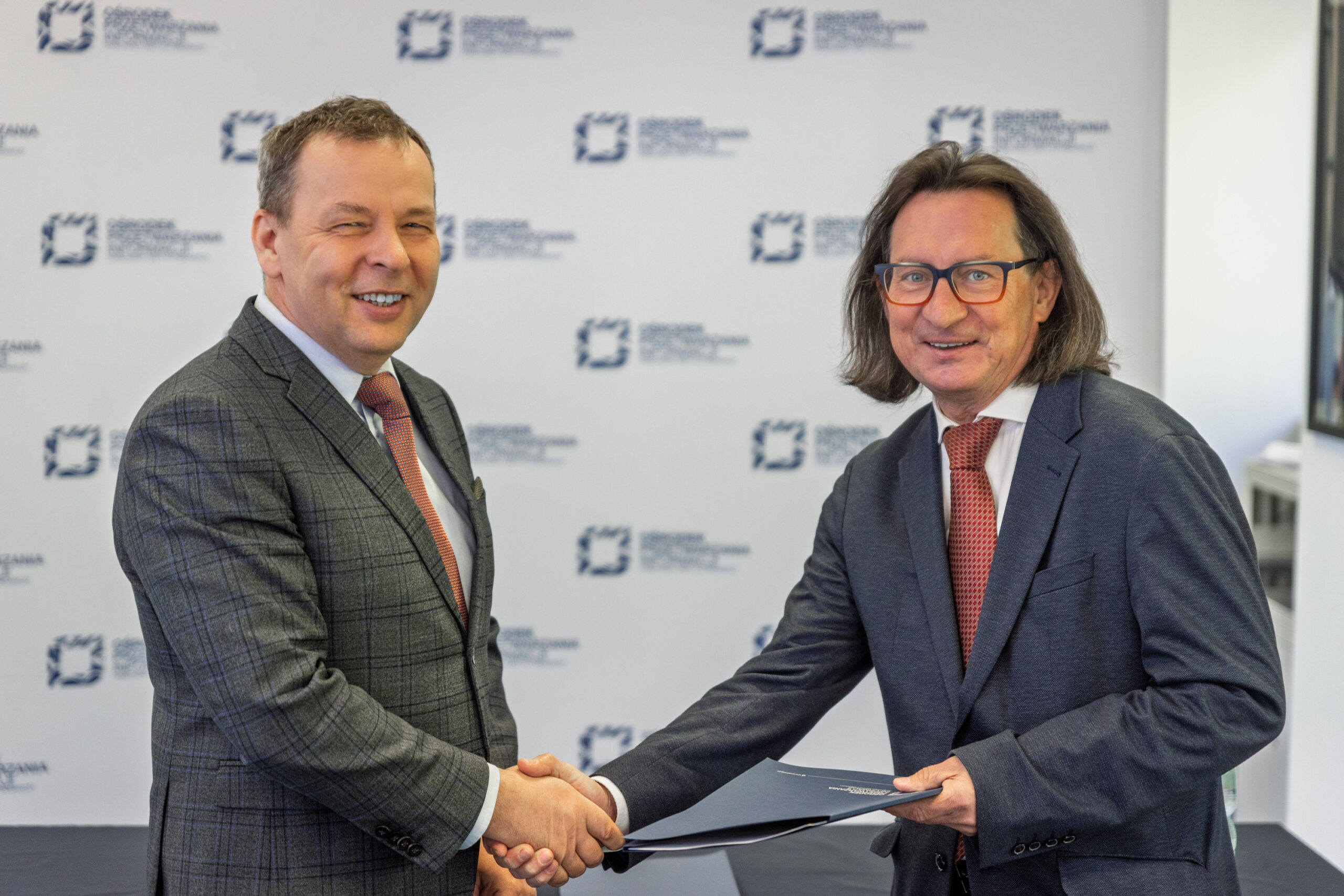
PraktykON: OPI PIB and the University of Warsaw join forces to empower students
On 28 April 2026 in Warsaw, a collaboration agreement was signed between the National Information Processing Institute (OPI PIB) and the University of Warsaw (UW). The agreement concerns the implementation of the PraktykON thesis programme, which combines the academic potential of the university with the research and technological expertise of the institute. The document was signed by Dr Jarosław Protasiewicz, Head of the National Information Processing Institute, and Prof. Dariusz Kuźmina, Dean of the Faculty of Journalism, Information and Book Studies at the University of Warsaw.

Happy Easter!
With Maundy Thursday marking the beginning of the Paschal Triduum, we enter a period of hope, and spiritual renewal. Many of us will spend it in the company of loved ones, taking time to pause and reflect.